One of the biggest misconceptions about starting a drug testing business is that you must be a nurse, phlebotomist, or licensed healthcare professional.
The truth is that many successful drug testing business owners started with little to no medical background.
However, that doesn't mean you can skip proper training and compliance requirements.
Let's take a closer look at what you actually need to get started.

Do You Need a Medical Background to Start a Drug Testing Business?
The short answer is: Not always.
Many people enter the drug testing industry from backgrounds such as:
Entrepreneurship
Business administration
Customer service
Human resources
Staffing and recruiting
Transportation and logistics
What matters most is understanding the services you plan to offer and obtaining the appropriate training.

What Drug Testing Services Can You Offer Without a Medical Background?
One of the biggest misconceptions about starting a drug testing business is that a medical background is required to offer any type of testing service.
In many U.S. states, you do not need a medical background, such as being a nurse, medical assistant, or phlebotomist, to own or operate a drug testing business, especially if you are performing urine specimen collections only and have obtained the appropriate training and qualifications.
Depending on your business model and applicable regulations, many non-medical entrepreneurs begin by offering services such as:
DOT urine drug collections (provided the collector has completed DOT collector qualification training under 49 CFR Part 40)
Non-DOT urine drug collections for employers and private organizations
Mobile drug testing services, where collections are performed at workplaces or designated locations
Employer drug testing programs that support workplace compliance initiatives
Workplace testing coordination, including scheduling, documentation, and chain of custody management
Third-party administrator (TPA) support services that help employers manage their drug testing programs
Many of these services focus primarily on specimen collection, compliance, documentation, and procedural accuracy rather than diagnosing, treating, or providing medical care to patients.
In other words, many successful drug testing business owners operate as collection and compliance professionals rather than healthcare providers.
Requirements vary by state. Always verify applicable federal, state, and local regulations before offering these services.
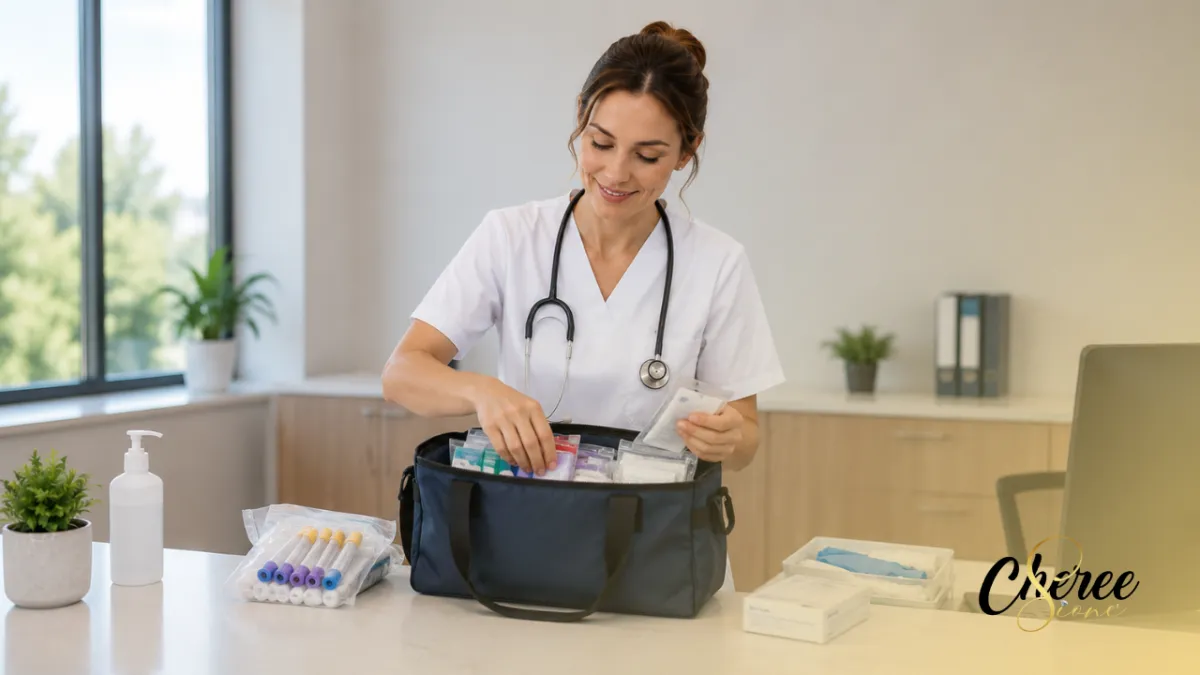
When Does Training Become Necessary?
Even if you don't come from a healthcare background, proper training is critical.
For example, individuals performing DOT urine drug collections should obtain a DOT Urine Drug Collector Certification, which includes:
DOT urine drug collection procedures
Five mock collections
Proficiency demonstration
Documentation requirements
Compliance training
Proper training helps reduce errors and build confidence

Common Misconceptions About Starting a Drug Testing Business
"I need to be a nurse."
Not necessarily.
"I need a medical degree."
Not in many cases
"I can't do this without healthcare experience."
Many successful business owners started without it
"Certification alone guarantees income."
Certification creates opportunities. Consistent execution builds the business.

What Skills Matter More Than a Medical Background?
Successful drug testing business owners are often:
Detail-oriented
Professional
Organized
Comfortable following procedures
Strong communicators
Committed to compliance
These skills can be developed through experience and training.

Final Thoughts
Starting a drug testing business without a medical background is possible for many aspiring entrepreneurs.
The key is understanding your responsibilities, choosing the right services, and investing in proper training.
A medical background may be helpful, but it is not always the deciding factor in building a successful drug testing business.
What often matters more is your willingness to learn, follow procedures, and execute consistently.

READY TO START YOUR JOURNEY?
You don't have to be a healthcare professional to explore opportunities in the drug testing industry.
With the right guidance, training, and commitment, you can build a strong foundation and position yourself for long-term success.

How to Start and Scale a Mobile Lab Business in 2026 (Complete Guide)
The demand for mobile healthcare services continues to rise as patients, employers, and organizations prioritize convenience, accessibility, and efficiency. As a result, the mobile lab business model has become one of the most scalable opportunities within the healthcare industry.
A mobile lab business—also known as a mobile phlebotomy business or mobile diagnostic service—allows providers to deliver specimen collection and testing services directly to clients without the need for a physical clinic.
This guide provides a comprehensive, SEO-optimized overview of how to start and scale a successful mobile lab business while maintaining compliance and operational efficiency.
What Is a Mobile Lab Business?
A mobile lab business provides on-site specimen collection and diagnostic services, typically partnering with certified laboratories for testing and results.
Common Mobile Lab Services
Mobile phlebotomy (blood draws at home or office)
Drug and alcohol testing (DOT and non-DOT)
DNA and paternity testing
Workplace and corporate health screenings
Specimen collection for laboratory analysis
Why Start a Mobile Lab Business?
The mobile healthcare industry is experiencing significant growth due to:
Increased demand for at-home healthcare services
Employer need for on-site drug testing and screenings
Aging populations requiring convenient diagnostic services
Key Benefits:
Lower startup costs compared to clinics
Flexible scheduling and operations
High scalability with minimal infrastructure
Strong demand in both B2C and B2B healthcare markets
Step 1: Understand Healthcare Compliance and Regulations
Compliance is essential when starting any healthcare business.
You must adhere to:
Patient privacy laws under Health Insurance Portability and Accountability Act
Drug testing regulations from the U.S. Department of Transportation
Proper specimen handling and chain-of-custody procedures
State and local healthcare business licensing requirements
Step 2: Choose Profitable Mobile Lab Services

Selecting the right services is critical for profitability and scalability.
High-Demand Services:
Mobile phlebotomy services (entry-level, high demand)
Drug and alcohol testing services (recurring corporate clients)
DNA testing services (high-margin niche)
Start with one or two core services, then expand based on market demand.
Step 3: Get Certified and Trained

Professional training improves credibility and ensures compliance.
Recommended Certifications:
Phlebotomy certification
DOT urine specimen collector certification
Specimen collection and handling training
Benefits:
Reduces errors and liability
Builds trust with clients and partners
Increases service quality
Step 4: Partner with Certified Laboratories

Mobile lab businesses typically do not process specimens internally. Instead, they partner with laboratories for testing.
Look for labs that are:
CLIA Certification certified
Reliable with turnaround times
Experienced with mobile specimen collection providers
Step 5: Build Scalable Business Systems

To grow your mobile healthcare business, you need structured systems.
Essential Systems:
Online scheduling and booking
Secure patient data management
Billing and invoicing systems
Route planning and dispatch
Efficient systems enable you to handle more clients without compromising service quality.
Step 6: Focus on Corporate and B2B Clients

Scaling a mobile lab business requires targeting high-value clients.
Ideal Clients:
Employers with drug testing programs
Staffing agencies
Transportation and logistics companies
Schools and healthcare providers
These clients provide recurring revenue and long-term contracts.
Step 7: Develop a Competitive Pricing Strategy

Your pricing should reflect:
Convenience and travel
Service complexity
Market demand
Operational costs
Step 8: Scale Your Mobile Lab Business

Once established, focus on growth strategies:
Scaling Methods:
Hire and train additional mobile phlebotomists
Expand service areas
Standardize procedures and workflows
Invest in automation and technology
Scaling transforms your operation into a fully functional healthcare service business.
Common Mistakes to Avoid
Ignoring healthcare compliance requirements
Underpricing services
Operating without structured systems
Expanding too quickly without infrastructure
Focusing only on individual clients
The Future of Mobile Healthcare Services
The mobile healthcare industry is expected to continue expanding due to:
Increased demand for home-based healthcare services
Employer reliance on on-site testing solutions
Growth in preventive care and diagnostics
This makes the mobile lab business a long-term, sustainable opportunity.
Conclusion
Starting a mobile lab business offers a unique opportunity to enter the healthcare industry with low overhead and high scalability.
Success depends on:
Strong compliance and regulatory understanding
Strategic service selection
Reliable lab partnerships
Efficient systems and processes
A clear plan for growth
When executed properly, a mobile lab business can generate consistent revenue, operational stability, and long-term expansion.

Starting a mobile or brick-and-mortar lab business can be confusing. From licensing and compliance to marketing and operations. You don't have to figure it out alone.


Quick Links
Copyright 2026. Cheree Sione. All Rights Reserved.