
Do You Need a Medical Background to Become a DOT Urine Drug Collector?
One of the most common misconceptions about DOT urine drug collector certification is the idea that you must already work in the medical field to qualify.
Many people assume you need to be:
A nurse
A medical assistant
A licensed healthcare professional
Or someone with years of clinical experience
In reality, that is not always the case.
While a healthcare background can be helpful, many individuals enter the DOT drug testing industry from completely different professional backgrounds. What matters most is proper qualification, training, and understanding of DOT collection procedures.

What Does a DOT Urine Drug Collector Do?
DOT urine drug collectors are responsible for performing regulated specimen collections under federal guidelines outlined in 49 CFR Part 40.
This includes:
This includes:Conducting urine specimen collections properly
Following chain of custody procedures
Handling collection issues appropriately
Completing documentation accurately
Maintaining donor privacy and professionalism
Because these collections are tied to workplace safety and compliance, collectors must follow procedures carefully and consistently.
Can Someone Without a Medical Background Become Qualified?
Yes.
Many qualified collectors come from backgrounds such as:
Entrepreneurship
Business administration
Mobile service industries
Customer service
Staffing and workforce support
Healthcare support roles
The DOT qualification process is designed to teach collectors the procedures and standards required to perform collections correctly.
The focus is not necessarily on prior medical experience—it is on proper training, compliance, and proficiency.
What Matters More Than Medical Experience
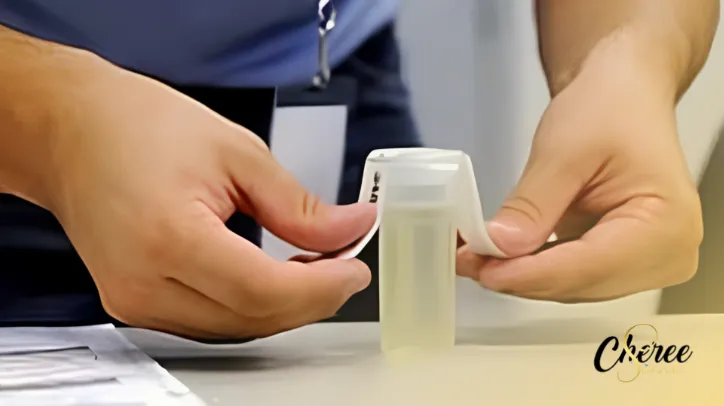
What Matters More Than Medical Experience
Although medical experience may provide familiarity with professional environments, successful DOT collectors are often individuals who are:
Detail-oriented
Organized
Professional in communication
Able to follow procedures carefully
Willing to learn compliance standards
The qualification process exists to help individuals develop these skills within the context of DOT collections.
Build Confidence Through Proper Training
The right training can help simplify the process—even for beginners entering the industry for the first time.
Complete your DOT qualification training with guidance designed to prepare you for real-world collection scenarios.

Why Mock Collections Are Important
One of the most important parts of qualification is completing mock collections successfully.
Mock collections help trainees:
Apply DOT procedures correctly
Practice handling different collection scenarios
Improve confidence and accuracy
Reduce common collection errors
For individuals without prior healthcare experience, this practical portion of training is especially valuable because it provides hands-on exposure to the collection process.
Professionalism Still Matters
Even without a clinical background, DOT collectors are expected to maintain professionalism throughout the collection process.
This includes:
Respecting donor privacy
Following procedures consistently
Maintaining accurate documentation
Creating a professional testing environment
Proper qualification training helps prepare collectors for both the technical and professional aspects of the role.
Learn Beyond Just the Basics
DOT qualification is about more than simply completing a course.
Train with a program designed to help you understand procedures, mock collections, and professional collection standards.

Why Many Entrepreneurs Enter This Industry
The DOT drug testing industry continues to attract individuals looking to build flexible and scalable service-based businesses.
Some collectors eventually expand into:
Mobile drug testing services
Employer compliance programs
Multi-service healthcare businesses
Collection and testing partnerships
For many, DOT qualification becomes a foundation for broader opportunities within the industry.
Final Thoughts
A medical background is not always required to become a DOT urine drug collector.
What matters most is receiving proper qualification training, understanding DOT procedures, and being able to perform collections professionally and accurately.
With the right training and guidance, many individuals with no prior medical experience are able to successfully enter and grow within the DOT drug testing industry.
Ready to Begin Your DOT Qualification Journey?
If you’re interested in becoming a qualified DOT urine drug collector, start with training designed to help you understand the process clearly and confidently.
Explore DOT qualification training and take the next step toward becoming properly qualified.

How to Start and Scale a Mobile Lab Business in 2026 (Complete Guide)
The demand for mobile healthcare services continues to rise as patients, employers, and organizations prioritize convenience, accessibility, and efficiency. As a result, the mobile lab business model has become one of the most scalable opportunities within the healthcare industry.
A mobile lab business—also known as a mobile phlebotomy business or mobile diagnostic service—allows providers to deliver specimen collection and testing services directly to clients without the need for a physical clinic.
This guide provides a comprehensive, SEO-optimized overview of how to start and scale a successful mobile lab business while maintaining compliance and operational efficiency.
What Is a Mobile Lab Business?
A mobile lab business provides on-site specimen collection and diagnostic services, typically partnering with certified laboratories for testing and results.
Common Mobile Lab Services
Mobile phlebotomy (blood draws at home or office)
Drug and alcohol testing (DOT and non-DOT)
DNA and paternity testing
Workplace and corporate health screenings
Specimen collection for laboratory analysis
Why Start a Mobile Lab Business?
The mobile healthcare industry is experiencing significant growth due to:
Increased demand for at-home healthcare services
Employer need for on-site drug testing and screenings
Aging populations requiring convenient diagnostic services
Key Benefits:
Lower startup costs compared to clinics
Flexible scheduling and operations
High scalability with minimal infrastructure
Strong demand in both B2C and B2B healthcare markets
Step 1: Understand Healthcare Compliance and Regulations
Compliance is essential when starting any healthcare business.
You must adhere to:
Patient privacy laws under Health Insurance Portability and Accountability Act
Drug testing regulations from the U.S. Department of Transportation
Proper specimen handling and chain-of-custody procedures
State and local healthcare business licensing requirements
Step 2: Choose Profitable Mobile Lab Services

Selecting the right services is critical for profitability and scalability.
High-Demand Services:
Mobile phlebotomy services (entry-level, high demand)
Drug and alcohol testing services (recurring corporate clients)
DNA testing services (high-margin niche)
Start with one or two core services, then expand based on market demand.
Step 3: Get Certified and Trained

Professional training improves credibility and ensures compliance.
Recommended Certifications:
Phlebotomy certification
DOT urine specimen collector certification
Specimen collection and handling training
Benefits:
Reduces errors and liability
Builds trust with clients and partners
Increases service quality
Step 4: Partner with Certified Laboratories

Mobile lab businesses typically do not process specimens internally. Instead, they partner with laboratories for testing.
Look for labs that are:
CLIA Certification certified
Reliable with turnaround times
Experienced with mobile specimen collection providers
Step 5: Build Scalable Business Systems

To grow your mobile healthcare business, you need structured systems.
Essential Systems:
Online scheduling and booking
Secure patient data management
Billing and invoicing systems
Route planning and dispatch
Efficient systems enable you to handle more clients without compromising service quality.
Step 6: Focus on Corporate and B2B Clients

Scaling a mobile lab business requires targeting high-value clients.
Ideal Clients:
Employers with drug testing programs
Staffing agencies
Transportation and logistics companies
Schools and healthcare providers
These clients provide recurring revenue and long-term contracts.
Step 7: Develop a Competitive Pricing Strategy

Your pricing should reflect:
Convenience and travel
Service complexity
Market demand
Operational costs
Step 8: Scale Your Mobile Lab Business

Once established, focus on growth strategies:
Scaling Methods:
Hire and train additional mobile phlebotomists
Expand service areas
Standardize procedures and workflows
Invest in automation and technology
Scaling transforms your operation into a fully functional healthcare service business.
Common Mistakes to Avoid
Ignoring healthcare compliance requirements
Underpricing services
Operating without structured systems
Expanding too quickly without infrastructure
Focusing only on individual clients
The Future of Mobile Healthcare Services
The mobile healthcare industry is expected to continue expanding due to:
Increased demand for home-based healthcare services
Employer reliance on on-site testing solutions
Growth in preventive care and diagnostics
This makes the mobile lab business a long-term, sustainable opportunity.
Conclusion
Starting a mobile lab business offers a unique opportunity to enter the healthcare industry with low overhead and high scalability.
Success depends on:
Strong compliance and regulatory understanding
Strategic service selection
Reliable lab partnerships
Efficient systems and processes
A clear plan for growth
When executed properly, a mobile lab business can generate consistent revenue, operational stability, and long-term expansion.

Starting a mobile or brick-and-mortar lab business can be confusing. From licensing and compliance to marketing and operations. You don't have to figure it out alone.


Quick Links
Copyright 2026. Cheree Sione. All Rights Reserved.