DOT Certification: A Professional Guide for Aspiring Drug Testing Collectors (2026)
The U.S. Department of Transportation (DOT) drug and alcohol testing program plays a critical role in maintaining safety across transportation industries. For professionals entering this field, understanding the correct certifications—and more importantly, the required qualification training—is essential to building a compliant and credible career.
This guide provides a clear overview of DOT certification pathways, with a strong emphasis on the DOT Urine Drug Collector Certification, which remains the most foundational and in-demand credential in the industry.
What Is DOT Certification?
“DOT certification” is a commonly used term to describe the training and qualification required to perform regulated drug and alcohol testing under the federal law.
However, it is important to clarify that the DOT (Department of Transportation) itself does not issue certifications. Instead, it requires individuals to complete qualification training and proficiency demonstration in accordance with 49 CFR Part 40 regulations.
To become qualified, a collector must:
Complete formal qualification training covering DOT procedures
Demonstrate proficiency through five consecutive error-free mock collections
Maintain compliance through refresher training and ongoing competency
These requirements ensure that all collectors follow strict federal standards for accuracy, privacy, and chain of custody. Department of Transportation
Why DOT Certification Matters
DOT-regulated testing applies to millions of safety-sensitive employees in industries such as:
Transportation
Aviation
Logistics
Maritime operations
Because of this, DOT compliance is non-negotiable.
Key reasons why proper DOT certification is critical:
Ensures legally defensible drug and alcohol test results
Prevents costly collection errors and test cancellations
Protects employers from compliance violations
Maintains program integrity and public safety
Simply put, DOT training is not optional—it is a federal requirement.
Types of DOT Collector Certifications
There are several DOT-related certifications available depending on your role in the drug and alcohol testing process. Below are the most recognized categories:
1. DOT Urine Drug Collector Certification
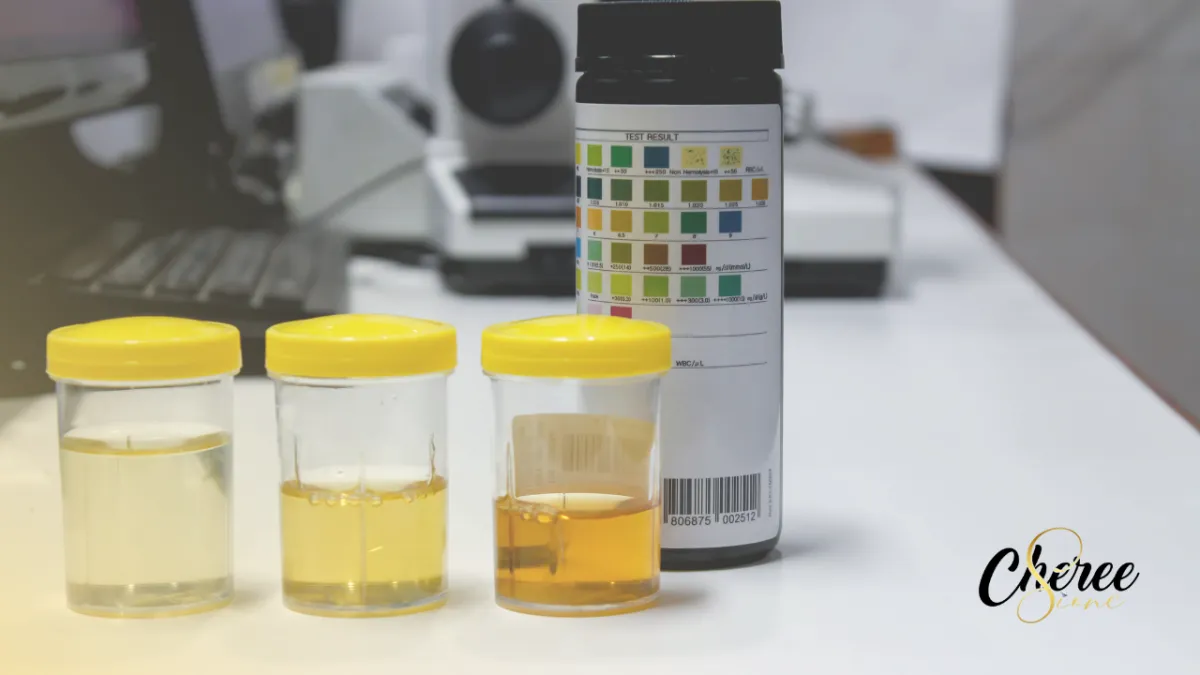
This is the core certification for aspiring collectors and the most widely required credential in the industry.
A DOT urine collector is responsible for:
Proper specimen collection following strict federal procedures
Completing the Custody and Control Form (CCF) accurately
Maintaining specimen integrity and confidentiality
Ensuring compliance with all DOT regulations
The qualification process includes:
Comprehensive training on 49 CFR Part 40 procedures
Handling “problem collections” (e.g., shy bladder, tampering attempts)
Understanding fatal and correctable errors
Completing 5 error-free mock collections under supervision
This certification is considered the gold standard entry point for anyone starting a career in drug testing.
2. DOT Oral Fluid Collector Certification
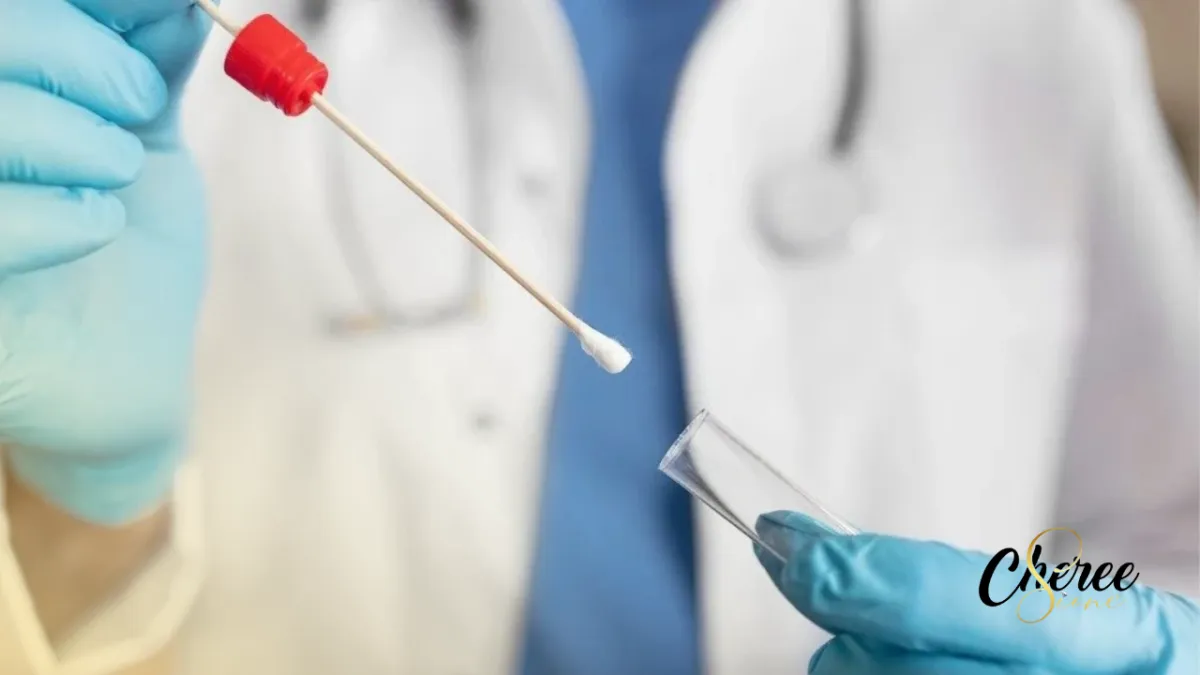
With evolving testing methods, DOT has expanded into oral fluid testing. This certification prepares collectors to:
Perform oral fluid specimen collections
Follow DOT-approved oral testing protocols
Maintain the same level of compliance and documentation
While growing in demand, it is typically pursued after urine collector training.
3. Breath Alcohol Technician (BAT) Certification
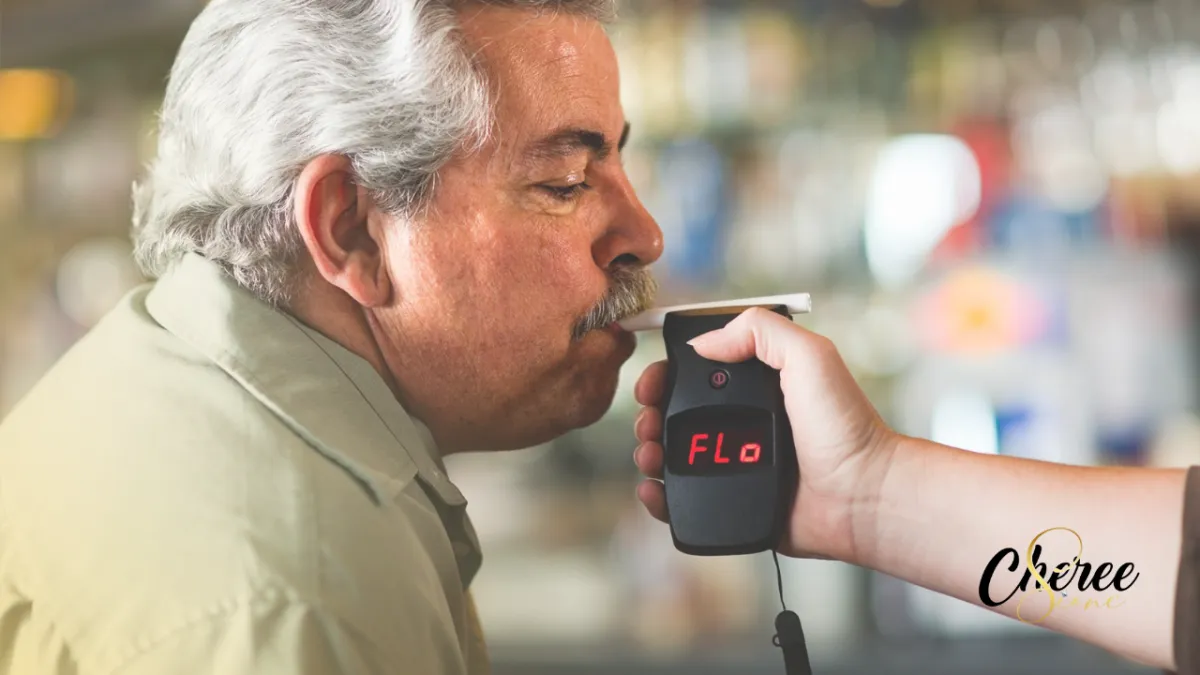
This certification is required for professionals conducting alcohol testing using evidential breath testing devices.
Responsibilities include:
Performing alcohol screening and confirmation tests
Ensuring calibration and proper device usage
Maintaining compliance with DOT alcohol testing rules
4. Screening Test Technician (STT) Certification
STTs conduct initial alcohol screenings using approved devices. This role is often paired with BAT certification.
5. Designated Employer Representative (DER) Training

This is not a collector role but is critical for compliance. DERs:
Manage the employer’s DOT testing program
Communicate with collectors, labs, and Medical Review Officers (MROs)
Ensure policy enforcement
6. Advanced & Specialty Certifications

These include:
Collector Trainer Certifications
MRO Assistant Training
Reasonable Suspicion Supervisor Training
These are typically pursued after gaining field experience.
Why You Should Start with DOT Urine Drug Collector Certification
For beginners, the DOT Urine Drug Collector Certification is the most practical and strategic starting point because:
It is required for the majority of DOT-regulated testing
It provides a strong foundation for all other certifications
It opens opportunities in:
✅ Mobile phlebotomy and specimen collection
✅ Occupational health services
✅ Third-party administrators (TPAs)
✅ Independent contractor work
Additionally, urine testing remains the standard method used in federally regulated programs, making it the most stable and in-demand skill set. FMCSA
Key Training Components You Should Look For
When choosing a training program, ensure it includes:
Full coverage of DOT 49 CFR Part 40 regulations
Step-by-step collection procedures
Hands-on mock proficiency demonstrations
✅ Error prevention
✅ Chain of custody
✅ Donor interaction and professionalism
Without both training and proficiency demonstration, you are not considered DOT-qualified.
Start Your Career in DOT Drug Testing the Right Way

Entering the DOT drug and alcohol testing industry requires more than just interest—it demands precision, compliance, and proper training.
While there are multiple certification paths available, the DOT Urine Drug Collector Certification remains the cornerstone of a successful career in this field. It equips you with the essential knowledge, hands-on skills, and regulatory understanding needed to operate confidently and professionally.
For anyone serious about becoming a DOT-qualified collector, this is where you begin.
Ready to Get DOT Certified?
Take the first step toward a high-demand, compliance-driven career in drug testing.
Enroll in a DOT Urine Drug Collector Certification program that includes:
Complete DOT training
Mock proficiency & qualification session
Real-world compliance guidance
Start your certification today and position yourself for opportunities in mobile lab services, occupational health, and nationwide testing programs.
DOT Certification: A Professional Guide for Aspiring Drug Testing Collectors (2026)
The U.S. Department of Transportation (DOT) drug and alcohol testing program plays a critical role in maintaining safety across transportation industries. For professionals entering this field, understanding the correct certifications—and more importantly, the required qualification training—is essential to building a compliant and credible career.
This guide provides a clear overview of DOT certification pathways, with a strong emphasis on the DOT Urine Drug Collector Certification, which remains the most foundational and in-demand credential in the industry.
What Is DOT Certification?
To become qualified, a collector must:
“DOT certification” is a commonly used term to describe the training and qualification required to perform regulated drug and alcohol testing under the federal law.
However, it is important to clarify that the DOT (Department of Transportation) itself does not issue certifications. Instead, it requires individuals to complete qualification training and proficiency demonstration in accordance with 49 CFR Part 40 regulations.
Complete formal qualification training covering DOT procedures
Demonstrate proficiency through five consecutive error-free mock collections
Maintain compliance through refresher training and ongoing competency
These requirements ensure that all collectors follow strict federal standards for accuracy, privacy, and chain of custody. Department of Transportation
Why DOT Certification Matters
DOT-regulated testing applies to millions of safety-sensitive employees in industries such as:
Transportation
Aviation
Logistics
Maritime operations
Because of this, DOT compliance is non-negotiable.
Key reasons why proper DOT certification is critical:
Ensures legally defensible drug and alcohol test results
Prevents costly collection errors and test cancellations
Protects employers from compliance violations
Maintains program integrity and public safety
Simply put, DOT training is not optional—it is a federal requirement.
Types of DOT Collector Certifications
There are several DOT-related certifications available depending on your role in the drug and alcohol testing process. Below are the most recognized categories:
1. DOT Urine Drug Collector Certification
This is the core certification for aspiring collectors and the most widely required credential in the industry.
A DOT urine collector is responsible for:
Proper specimen collection following strict federal procedures
Completing the Custody and Control Form (CCF) accurately
Maintaining specimen integrity and confidentiality
Ensuring compliance with all DOT regulations
The qualification process includes:
Comprehensive training on 49 CFR Part 40 procedures
Handling “problem collections” (e.g., shy bladder, tampering attempts)
Understanding fatal and correctable errors
Completing 5 error-free mock collections under supervision
This certification is considered the gold standard entry point for anyone starting a career in drug testing.
2. DOT Oral Fluid Collector Certification
With evolving testing methods, DOT has expanded into oral fluid testing. This certification prepares collectors to:
Perform oral fluid specimen collections
Follow DOT-approved oral testing protocols
Maintain the same level of compliance and documentation
While growing in demand, it is typically pursued after urine collector training.
3. Breath Alcohol Technician (BAT) Certification
This certification is required for professionals conducting alcohol testing using evidential breath testing devices.
Responsibilities include:
Performing alcohol screening and confirmation tests
Ensuring calibration and proper device usage
Maintaining compliance with DOT alcohol testing rules
4. Screening Test Technician (STT) Certification
STTs conduct initial alcohol screenings using approved devices. This role is often paired with BAT certification.
5. Designated Employer Representative (DER) Training
This is not a collector role but is critical for compliance. DERs:
Manage the employer’s DOT testing program
Communicate with collectors, labs, and Medical Review Officers (MROs)
Ensure policy enforcement
6. Advanced & Specialty Certifications
These include:
Collector Trainer Certifications
MRO Assistant Training
Reasonable Suspicion Supervisor Training
These are typically pursued after gaining field experience.
Why You Should Start with DOT Urine Drug Collector Certification
For beginners, the DOT Urine Drug Collector Certification is the most practical and strategic starting point because:
It is required for the majority of DOT-regulated testing
It provides a strong foundation for all other certifications
It opens opportunities in:
✅ Mobile phlebotomy and specimen collection
✅ Occupational health services
✅ Third-party administrators (TPAs)
✅ Independent contractor work
Additionally, urine testing remains the standard method used in federally regulated programs, making it the most stable and in-demand skill set. FMCSA
Key Training Components You Should Look For
When choosing a training program, ensure it includes:
Full coverage of DOT 49 CFR Part 40 regulations
Step-by-step collection procedures
Hands-on mock proficiency demonstrations
✅ Error prevention
✅ Chain of custody
✅ Donor interaction and professionalism
Without both training and proficiency demonstration, you are not considered DOT-qualified.
Start Your Career in DOT Drug Testing the Right Way
Entering the DOT drug and alcohol testing industry requires more than just interest—it demands precision, compliance, and proper training.
While there are multiple certification paths available, the DOT Urine Drug Collector Certification remains the cornerstone of a successful career in this field. It equips you with the essential knowledge, hands-on skills, and regulatory understanding needed to operate confidently and professionally.
For anyone serious about becoming a DOT-qualified collector, this is where you begin.
Ready to Get DOT Certified?
Take the first step toward a high-demand, compliance-driven career in drug testing.
Enroll in a DOT Urine Drug Collector Certification program that includes:
Complete DOT training
Mock proficiency sessions
Real-world compliance guidance
Start your certification today and position yourself for opportunities in mobile lab services, occupational health, and nationwide testing programs.

Starting a mobile or brick-and-mortar lab business can be confusing. From licensing and compliance to marketing and operations. You don't have to figure it out alone.


Quick Links
Copyright 2026. Cheree Sione. All Rights Reserved.