
How Many Mock Collections Are Required for DOT Certification? (2026 Guide)
If you’re working toward becoming a DOT urine drug collector, one of the most common questions is:
“How many mock collections do I actually need to complete?”
This step confuses a lot of people and doing it wrong can delay your certification.
Let’s break it down clearly so you can complete your requirements the right way.
What Are Mock Collections in DOT Training?
Mock collections are simulated drug testing scenarios used to evaluate your ability to:
Follow DOT procedures correctly
Handle real-world situations
Maintain accuracy and compliance
Complete proper documentation
Think of it as your hands-on qualification step
How Many Mock Collections Are Required?
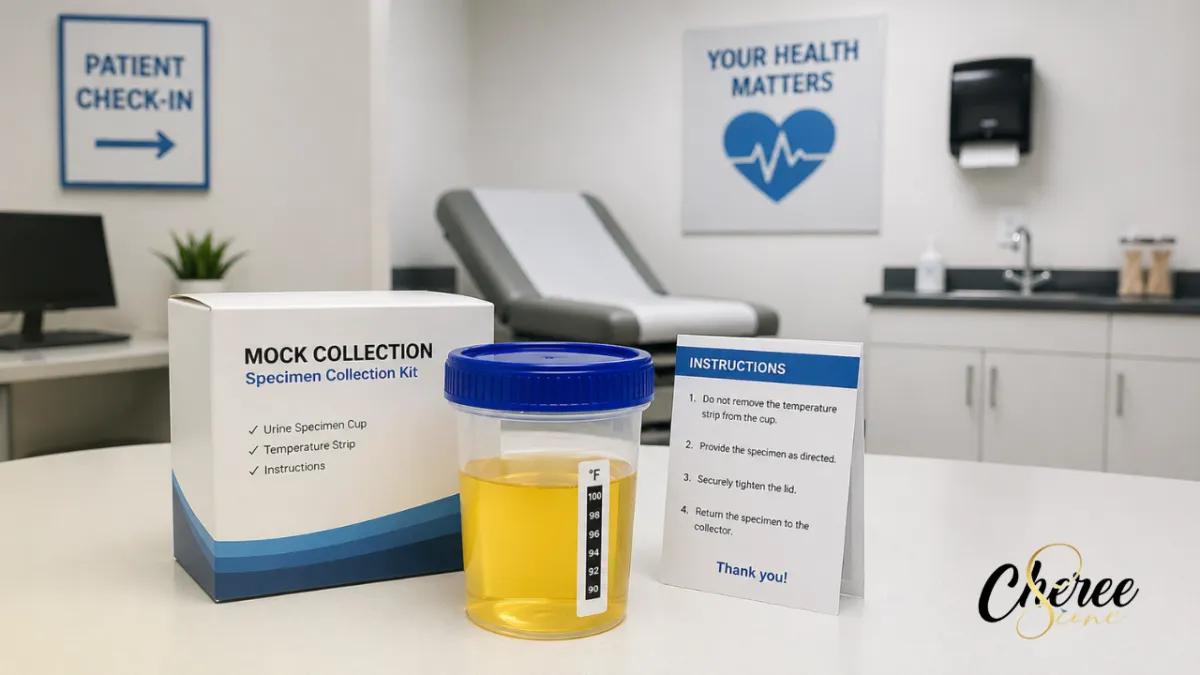
To become a qualified DOT urine collector, you must complete:
5 successful mock collections
These are required under DOT guidelines and must include a mix of scenarios.
What Scenarios Must Be Included?
Your mock collections should cover different situations, such as:
Routine (standard) collection
Insufficient sample (“shy bladder”)
Temperature out of range
Observed collection
Invalid or problematic scenarios
This ensures you’re prepared for real-world situations—not just ideal ones.
Who Can Sign Off on Your Mock Collections?

Your mock collections must be observed and validated by:
A qualified DOT trainer
Someone experienced in 49 CFR Part 40 procedures
Not all trainers are equal, make sure your training is compliant.
Can You Do Mock Collections Online?
Yes, with limitations.
Some programs offer:
Virtual guidance
Simulated scenarios
However, many trainees benefit more from:
Hands-on or supervised practice
Real-world exposure builds confidence much faster.
What Happens If You Fail a Mock Collection?
If you make mistakes:
You may need to repeat that scenario
Your trainer will guide corrections
You must demonstrate proper procedure before passing
The goal is competence, not just completion
Common Mistakes During Mock Collections
Incorrect documentation
Skipping steps in the process
Not following proper chain of custody
Mishandling scenarios
These mistakes can delay your certification.
Why Mock Collections Matter
This step is not just a requirement—it’s what prepares you to:
Perform real DOT collections confidently
Avoid costly errors
Work with employers and clients
Build a credible service or business
It’s the bridge between training and real-world work.
Complete Your DOT Requirements the Right Way

If you’re serious about becoming a DOT urine drug collector, don’t rush this step.
Complete your mock collections properly and set yourself up for success.
READY TO GET QUALIFIED?
Start your training, complete your mock collections, and become a certified DOT collector.

How to Start and Scale a Mobile Lab Business in 2026 (Complete Guide)
The demand for mobile healthcare services continues to rise as patients, employers, and organizations prioritize convenience, accessibility, and efficiency. As a result, the mobile lab business model has become one of the most scalable opportunities within the healthcare industry.
A mobile lab business—also known as a mobile phlebotomy business or mobile diagnostic service—allows providers to deliver specimen collection and testing services directly to clients without the need for a physical clinic.
This guide provides a comprehensive, SEO-optimized overview of how to start and scale a successful mobile lab business while maintaining compliance and operational efficiency.
What Is a Mobile Lab Business?
A mobile lab business provides on-site specimen collection and diagnostic services, typically partnering with certified laboratories for testing and results.
Common Mobile Lab Services
Mobile phlebotomy (blood draws at home or office)
Drug and alcohol testing (DOT and non-DOT)
DNA and paternity testing
Workplace and corporate health screenings
Specimen collection for laboratory analysis
Why Start a Mobile Lab Business?
The mobile healthcare industry is experiencing significant growth due to:
Increased demand for at-home healthcare services
Employer need for on-site drug testing and screenings
Aging populations requiring convenient diagnostic services
Key Benefits:
Lower startup costs compared to clinics
Flexible scheduling and operations
High scalability with minimal infrastructure
Strong demand in both B2C and B2B healthcare markets
Step 1: Understand Healthcare Compliance and Regulations
Compliance is essential when starting any healthcare business.
You must adhere to:
Patient privacy laws under Health Insurance Portability and Accountability Act
Drug testing regulations from the U.S. Department of Transportation
Proper specimen handling and chain-of-custody procedures
State and local healthcare business licensing requirements
Step 2: Choose Profitable Mobile Lab Services

Selecting the right services is critical for profitability and scalability.
High-Demand Services:
Mobile phlebotomy services (entry-level, high demand)
Drug and alcohol testing services (recurring corporate clients)
DNA testing services (high-margin niche)
Start with one or two core services, then expand based on market demand.
Step 3: Get Certified and Trained

Professional training improves credibility and ensures compliance.
Recommended Certifications:
Phlebotomy certification
DOT urine specimen collector certification
Specimen collection and handling training
Benefits:
Reduces errors and liability
Builds trust with clients and partners
Increases service quality
Step 4: Partner with Certified Laboratories

Mobile lab businesses typically do not process specimens internally. Instead, they partner with laboratories for testing.
Look for labs that are:
CLIA Certification certified
Reliable with turnaround times
Experienced with mobile specimen collection providers
Step 5: Build Scalable Business Systems

To grow your mobile healthcare business, you need structured systems.
Essential Systems:
Online scheduling and booking
Secure patient data management
Billing and invoicing systems
Route planning and dispatch
Efficient systems enable you to handle more clients without compromising service quality.
Step 6: Focus on Corporate and B2B Clients

Scaling a mobile lab business requires targeting high-value clients.
Ideal Clients:
Employers with drug testing programs
Staffing agencies
Transportation and logistics companies
Schools and healthcare providers
These clients provide recurring revenue and long-term contracts.
Step 7: Develop a Competitive Pricing Strategy

Your pricing should reflect:
Convenience and travel
Service complexity
Market demand
Operational costs
Step 8: Scale Your Mobile Lab Business

Once established, focus on growth strategies:
Scaling Methods:
Hire and train additional mobile phlebotomists
Expand service areas
Standardize procedures and workflows
Invest in automation and technology
Scaling transforms your operation into a fully functional healthcare service business.
Common Mistakes to Avoid
Ignoring healthcare compliance requirements
Underpricing services
Operating without structured systems
Expanding too quickly without infrastructure
Focusing only on individual clients
The Future of Mobile Healthcare Services
The mobile healthcare industry is expected to continue expanding due to:
Increased demand for home-based healthcare services
Employer reliance on on-site testing solutions
Growth in preventive care and diagnostics
This makes the mobile lab business a long-term, sustainable opportunity.
Conclusion
Starting a mobile lab business offers a unique opportunity to enter the healthcare industry with low overhead and high scalability.
Success depends on:
Strong compliance and regulatory understanding
Strategic service selection
Reliable lab partnerships
Efficient systems and processes
A clear plan for growth
When executed properly, a mobile lab business can generate consistent revenue, operational stability, and long-term expansion.

Starting a mobile or brick-and-mortar lab business can be confusing. From licensing and compliance to marketing and operations. You don't have to figure it out alone.


Quick Links
Copyright 2026. Cheree Sione. All Rights Reserved.